You were here at the beginning

Some beginnings deserve
something extraordinary.

Thank you for joining Forever SnS before our launch. This exclusive collection is our gift to you — yours to keep, forever.

Rosefire Phoenix

Rosefire Phoenix

Rose, amethyst & a little magic

Midnight Phoenix

Midnight Phoenix

Sapphire light & midnight wings

2 companions · 2 banners · 2 backgrounds
2 borders · 2 Sparks · 2 chat colours

Made for our early birds. Never available to accounts created after launch.

A small family-run business creating beautiful, meaningful gifts

Jewellery • Crystals • STL Downloads

Forever SnS Crystal Passport

Tigers Eye

Pronounced: TY-gurz EYE

Tiger’s Eye is a golden-brown chatoyant variety of Quartz known for its silky moving band of light, fibrous internal structure and distinctive striped appearance.

Formula: SiO₂Mohs hardness: 7System: Trigonal
Tigers EyeCW

Meet the crystal

About Tigers Eye

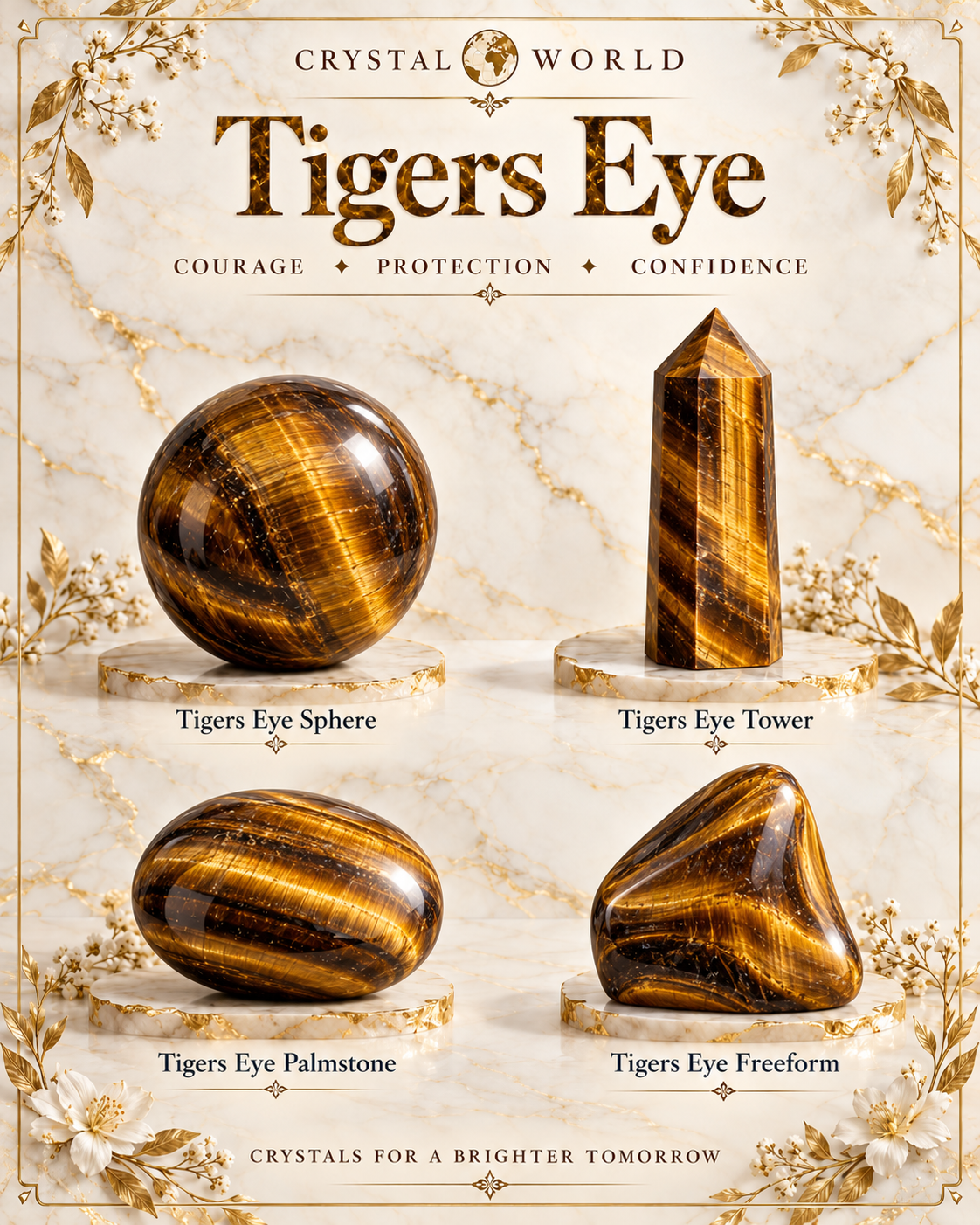
Tiger’s Eye is a decorative variety of Quartz best known for its golden, honey-brown and reddish-brown bands and its striking optical effect known as chatoyancy. When the stone is cut and polished correctly, a bright band of reflected light appears to move across the surface as the stone is turned. This resemblance to the reflective eye of an animal is the reason behind the name Tiger’s Eye. The effect is produced by extremely fine, parallel fibrous structures within the material. Tiger’s Eye commonly forms through alteration of fibrous blue crocidolite-bearing material. During geological alteration, Quartz replaces or surrounds the original fibrous structures while iron released from the crocidolite oxidises into iron-rich minerals that contribute the familiar golden-brown colouring. This means the original fibrous texture can remain preserved even though the mineral composition has changed significantly. Blue material in which more of the original crocidolite-related character remains is commonly sold as Hawk’s Eye or Blue Tiger’s Eye, while heating golden Tiger’s Eye can produce the deeper reddish material commonly sold as Red Tiger’s Eye. Tiger’s Eye is widely used in cabochons, beads, jewellery, carvings, spheres, palmstones and decorative objects because polishing strongly enhances its distinctive chatoyant appearance.

Explore this passport

Showing Science & Formation

Scientific passport

The mineral facts

Observable and measurable properties used to describe and identify this mineral.

Chemical formula
SiO₂
Mineral class
Silicate — Quartz family
Crystal system
Trigonal
Mohs hardness
7
Lustre
Silky to vitreous
Streak
White
Specific gravity
Approximately 2.64–2.71
Transparency
Opaque to slightly translucent

Common colours

Golden yellow, honey, brown, reddish-brown and dark brown

Cleavage and fracture

No true cleavage; conchoidal to uneven fracture.

From the Earth

How it forms

The geological processes that create this crystal over time.

Formation

Its geological story

Tiger’s Eye forms through the alteration and silicification of fibrous crocidolite-bearing rock. Silica-rich fluids enter the fibrous material and Quartz gradually replaces or surrounds the original fibres while preserving their parallel structure. Iron released during alteration oxidises and contributes golden yellow, brown and reddish colours. The preserved fibrous texture produces the strong chatoyant band of light seen in polished Tiger’s Eye.

A closer look

Scientific notes

Tiger’s Eye is a chatoyant Quartz material rather than a separate mineral species. Its characteristic optical effect is caused by aligned fibrous structures that reflect light in a narrow moving band. The relationship between Quartz and the original crocidolite fibres has historically been described as simple replacement, although detailed studies indicate a more complex process involving crack-seal growth, silicification and preservation of the fibrous texture. Golden Tiger’s Eye is closely related to Hawk’s Eye, which generally retains a blue-grey appearance associated with less oxidised iron-bearing fibrous material. Red Tiger’s Eye may occur naturally, but much commercial red material is produced by heat treatment of golden Tiger’s Eye.

From the Forever SnS collection

Shop products featuring Tigers Eye

Each listing shows the actual product details, photographs and current availability.

Browse all crystals →

Passport complete

Who shall we meet next?

Return to Crystal World