You were here at the beginning

Some beginnings deserve
something extraordinary.

Thank you for joining Forever SnS before our launch. This exclusive collection is our gift to you — yours to keep, forever.

Rosefire Phoenix

Rosefire Phoenix

Rose, amethyst & a little magic

Midnight Phoenix

Midnight Phoenix

Sapphire light & midnight wings

2 companions · 2 banners · 2 backgrounds
2 borders · 2 Sparks · 2 chat colours

Made for our early birds. Never available to accounts created after launch.

A small family-run business creating beautiful, meaningful gifts

Jewellery • Crystals • STL Downloads

Forever SnS Crystal Passport

Rhodonite

Pronounced: ROH-duh-nite

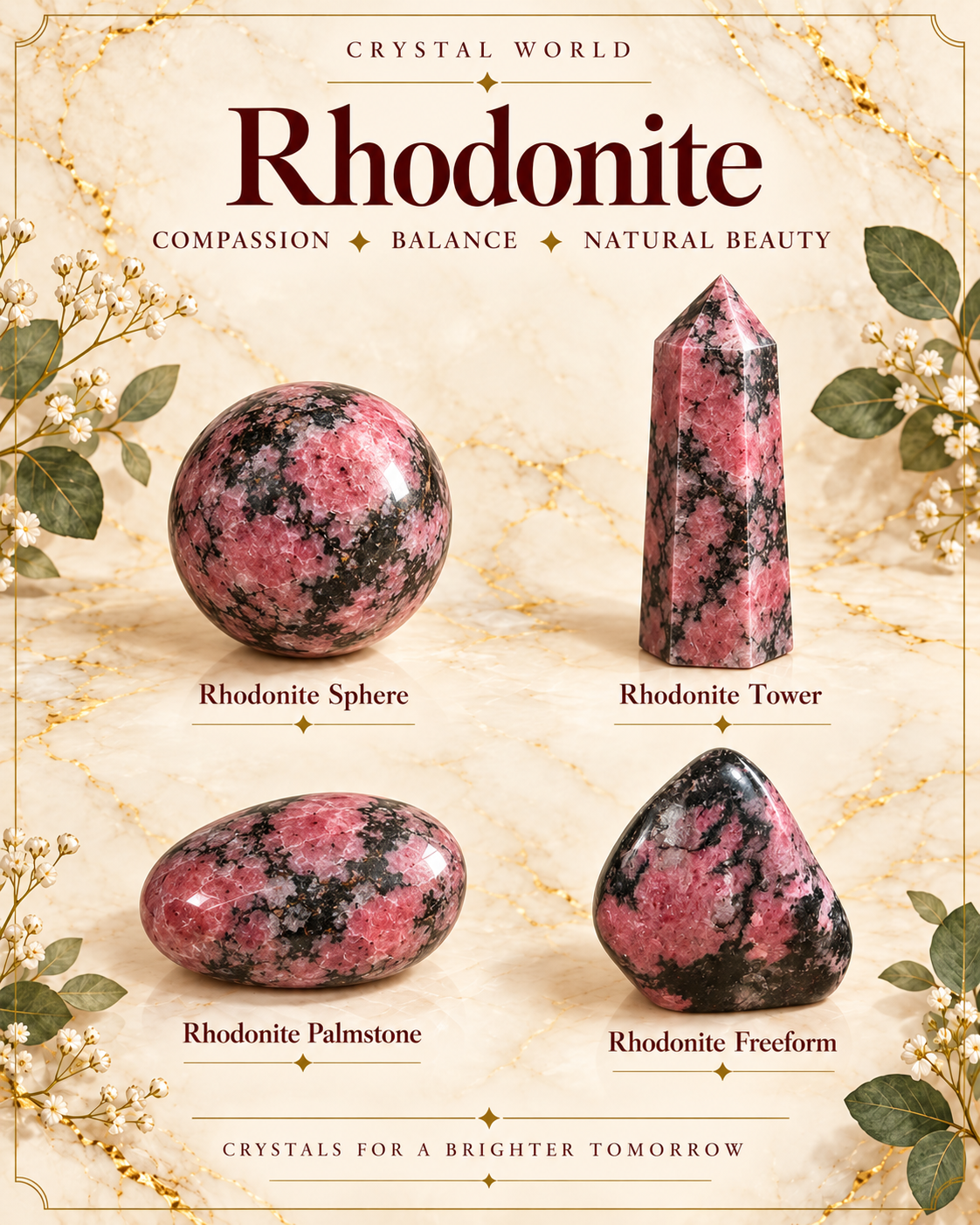
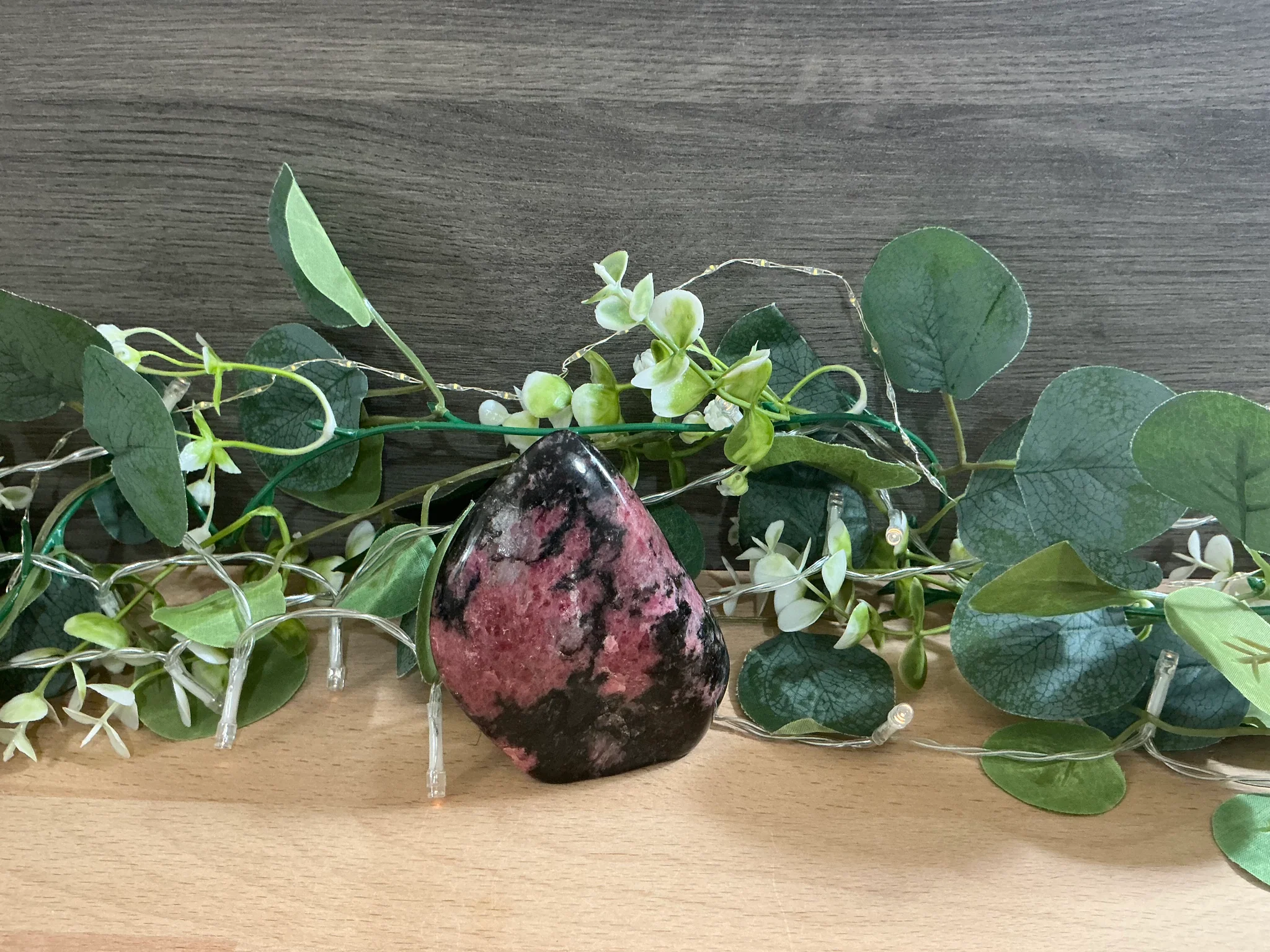
Rhodonite is a pink to red manganese-rich silicate mineral, often recognised by contrasting black manganese-oxide veining and valued as both a collector mineral and ornamental stone.

Formula: CaMn₄Si₅O₁₅Mohs hardness: 5.5–6.5System: Triclinic
RhodoniteCW

Meet the crystal

About Rhodonite

Rhodonite is a manganese-rich silicate mineral best known for its distinctive pink, rose-red and reddish-brown colouring. Many polished specimens display dramatic black veins, patches or dendritic markings. These dark areas are generally secondary manganese oxides that developed as the Rhodonite was altered or weathered. Rhodonite belongs to the Rhodonite Group and forms mainly in manganese-rich metamorphic deposits. It may occur as massive material, granular aggregates or well-formed crystals. Although opaque pink-and-black material is the form most familiar in the crystal trade, exceptionally fine Rhodonite crystals can be translucent or transparent and may display intense red colour. Its name was introduced in 1819 and comes from the Greek word meaning “rose”, referring to its characteristic colour. Rhodonite has been used for jewellery, carvings, decorative objects and ornamental stone, with particularly famous historical material coming from Russia. Because Rhodonite can resemble Rhodochrosite and several other pink manganese minerals, colour alone should never be used for identification.
Explore this passport

Showing Science & Formation

Scientific passport

The mineral facts

Observable and measurable properties used to describe and identify this mineral.

Chemical formula
CaMn₄Si₅O₁₅
Mineral class
Silicate — Rhodonite Group
Crystal system
Triclinic
Mohs hardness
5.5–6.5
Lustre
Vitreous to pearly
Streak
White
Specific gravity
Approximately 3.57–3.76
Transparency
Transparent to opaque

Common colours

Pink, rose-red, red, brownish-red and grey

Cleavage and fracture

Perfect cleavage in two directions; uneven to conchoidal fracture.

From the Earth

How it forms

The geological processes that create this crystal over time.

Formation

Its geological story

Rhodonite typically forms in manganese-rich metamorphic deposits. Heat, pressure and chemical reactions alter manganese-bearing sediments or ores, allowing Rhodonite to crystallise with other manganese minerals. It may occur with minerals such as Rhodochrosite, Spessartine, Bustamite and manganese oxides. Later weathering can oxidise manganese near the surface, producing the familiar black coatings, veins and patches seen in many Rhodonite specimens.

A closer look

Scientific notes

Rhodonite is a recognised mineral species and member of the Rhodonite Group. Its chemistry is manganese-rich but can contain calcium, iron, magnesium and zinc. Older references often give the simplified formula MnSiO₃, but modern mineralogical work shows that natural Rhodonite has a more complex composition. Some material historically labelled Rhodonite may actually belong to closely related species such as Ferrorhodonite, Vittinkiite or Pyroxmangite, and laboratory analysis may be needed for an exact identification.

From the Forever SnS collection

Shop products featuring Rhodonite

Each listing shows the actual product details, photographs and current availability.

Browse all crystals →

Passport complete

Who shall we meet next?

Return to Crystal World