You were here at the beginning

Some beginnings deserve
something extraordinary.

Thank you for joining Forever SnS before our launch. This exclusive collection is our gift to you — yours to keep, forever.

Rosefire Phoenix

Rosefire Phoenix

Rose, amethyst & a little magic

Midnight Phoenix

Midnight Phoenix

Sapphire light & midnight wings

2 companions · 2 banners · 2 backgrounds
2 borders · 2 Sparks · 2 chat colours

Made for our early birds. Never available to accounts created after launch.

A small family-run business creating beautiful, meaningful gifts

Jewellery • Crystals • STL Downloads

Forever SnS Crystal Passport

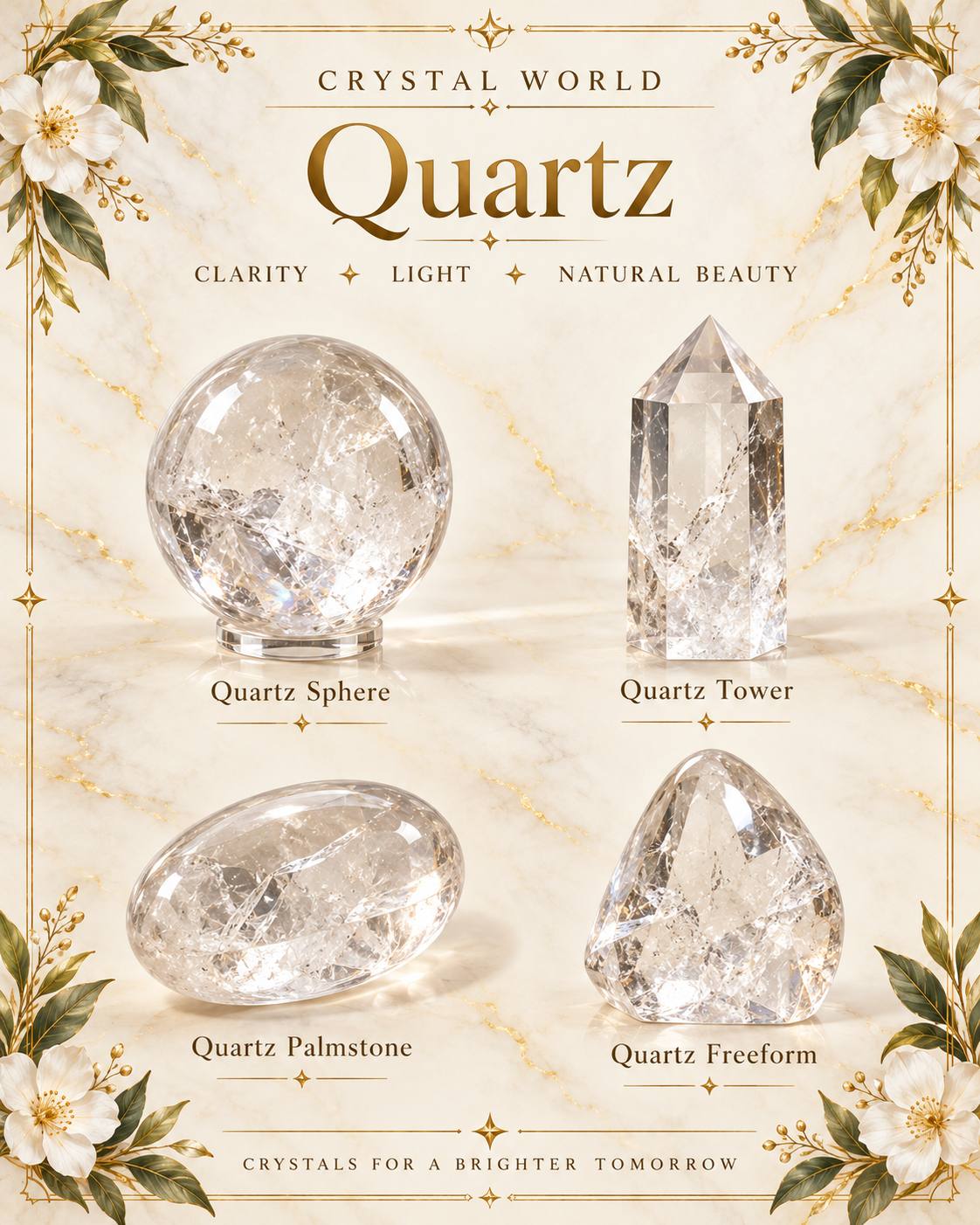
Quartz

Pronounced: KWORTS

Quartz is one of the most widespread and important minerals in the Earth’s crust, recognised for its SiO₂ composition, glassy lustre, hardness of 7 and enormous range of colours, crystal habits and named varieties.

Formula: SiO₂Mohs hardness: 7System: Trigonal
QuartzCW

Meet the crystal

About Quartz

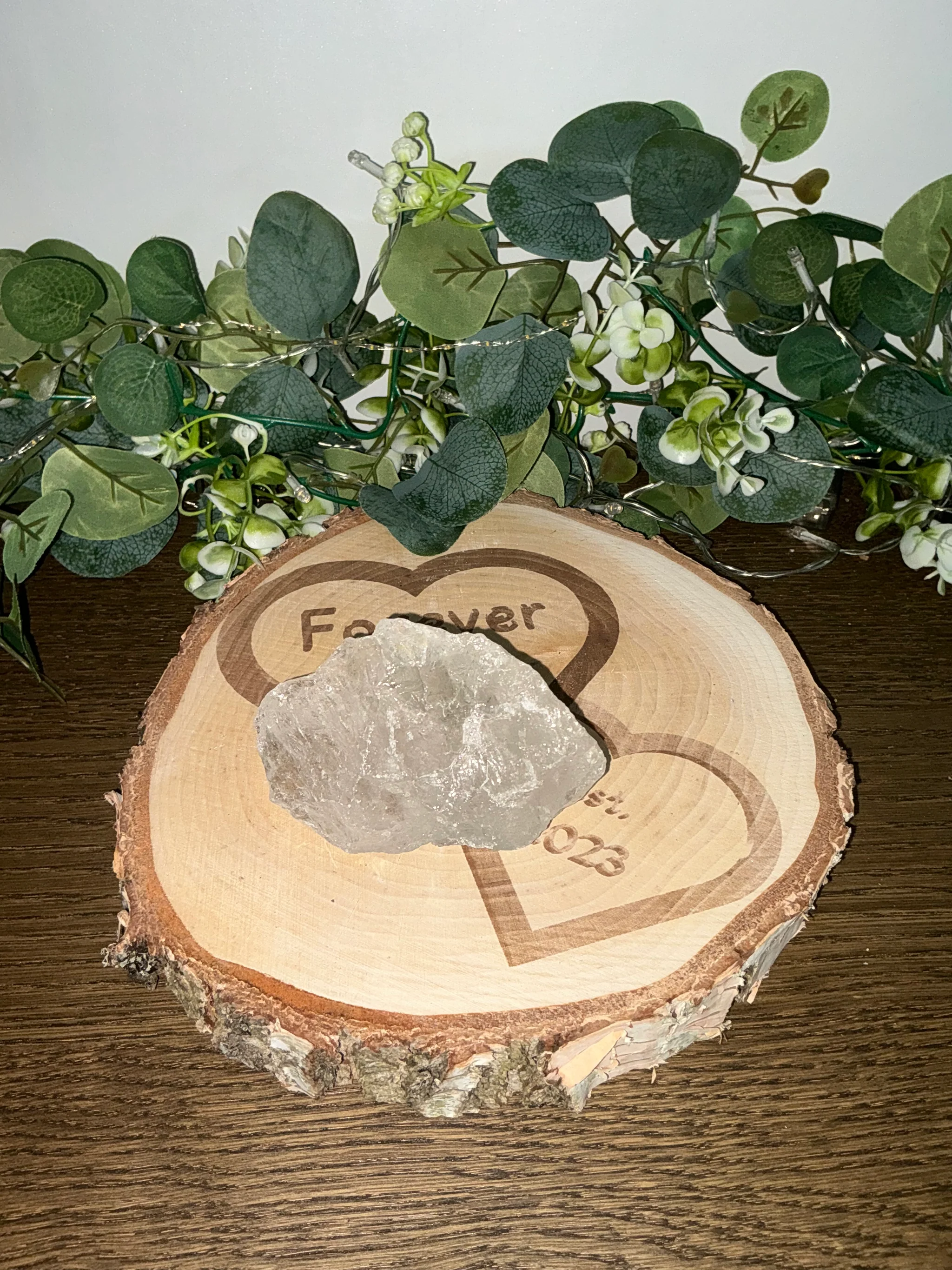
Quartz is one of the most common and geologically important minerals on Earth. It is composed of silicon and oxygen with the chemical formula SiO₂ and occurs in an enormous variety of geological environments. Quartz can form as colourless transparent crystals, cloudy or massive material, veins, grains within rocks, drusy coatings and many other crystal habits. Well-formed Quartz crystals are commonly recognised by their six-sided prismatic appearance and pointed terminations, although Quartz belongs to the trigonal crystal system rather than the hexagonal crystal system. Pure Quartz is colourless, but trace elements, structural defects, natural irradiation and mineral inclusions can produce many different colours and varieties. Well-known Quartz varieties include Amethyst, Citrine, Smoky Quartz and Rose Quartz, while included Quartz materials such as Garden Quartz and Hematoid Quartz gain their distinctive appearance from minerals enclosed within or associated with the Quartz. Quartz is also the main crystalline component of many forms of chalcedony and agate, although those materials have a much finer microcrystalline structure. Quartz forms in igneous, metamorphic, sedimentary and hydrothermal environments and is an important component of rocks such as granite, quartzite and sandstone. Its combination of hardness, chemical durability and abundance means Quartz can survive weathering and become concentrated in soils, river sediments and beaches. Quartz has also been used by humans for thousands of years for tools, carvings, jewellery and decorative objects, and its piezoelectric properties later made it important in electronic and timing applications.
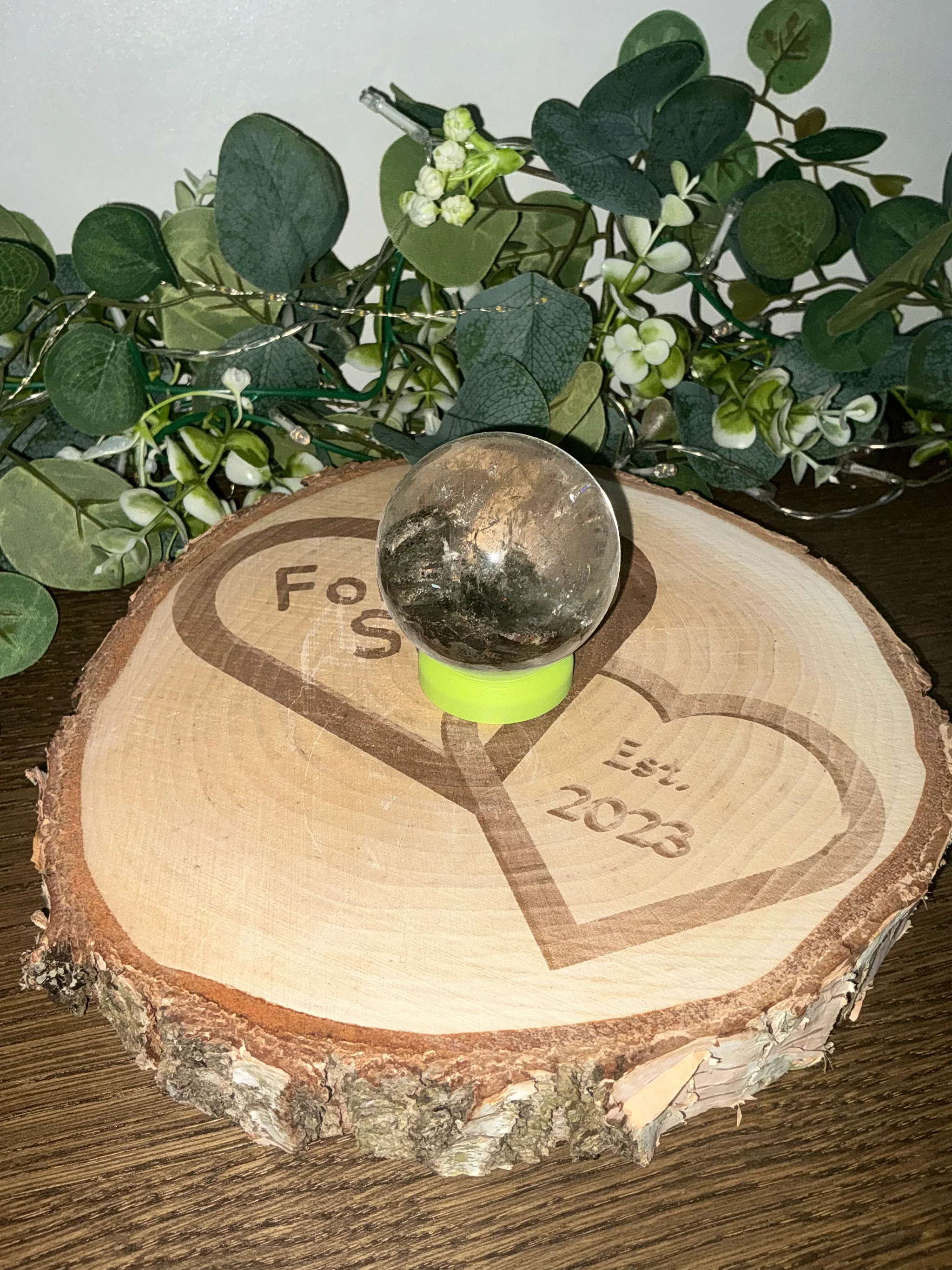
Explore this passport

Showing Science & Formation

Scientific passport

The mineral facts

Observable and measurable properties used to describe and identify this mineral.

Chemical formula
SiO₂
Mineral class
Silicate — Silica Group
Crystal system
Trigonal
Mohs hardness
7
Lustre
Vitreous
Streak
White
Specific gravity
2.65–2.66
Transparency
Transparent to translucent

Common colours

Colourless, white, purple, pink, yellow, brown, black, green, blue, orange and red

Cleavage and fracture

Poor to indistinct cleavage; conchoidal fracture.

From the Earth

How it forms

The geological processes that create this crystal over time.

Formation

Its geological story

Quartz forms in a very wide range of geological environments. It crystallises from silica-rich magma in igneous rocks such as granite and granitic pegmatites. It also forms from hot silica-rich hydrothermal fluids moving through fractures and cavities, producing veins, crystal pockets and geodes. Quartz can develop during metamorphism as existing rocks recrystallise under heat and pressure. Because Quartz is chemically resistant and relatively hard, grains can survive weathering and erosion and become concentrated in sedimentary deposits such as sandstone, river sediment and beach sand. Its exact crystal habit, colour and inclusions depend on the conditions present while the Quartz was growing.

A closer look

Scientific notes

Quartz is a valid mineral species composed of silicon dioxide. Its crystal structure is built from SiO₄ tetrahedra linked together into a three-dimensional framework. Although well-formed Quartz crystals often appear six-sided, ordinary low-temperature Quartz belongs to the trigonal crystal system. Quartz can occur as left-handed or right-handed crystals because its internal structure can form in two mirror-image arrangements. Quartz is piezoelectric, meaning mechanical pressure can create an electrical charge across the crystal. This property has made Quartz important in electronic oscillators, watches, clocks and frequency-control devices. Quartz has several high-pressure and high-temperature silica polymorphs, including coesite, stishovite, cristobalite and tridymite, which have the same SiO₂ chemistry but different crystal structures.

From the Forever SnS collection

Shop products featuring Quartz

Each listing shows the actual product details, photographs and current availability.

Browse all crystals →

Passport complete

Who shall we meet next?

Return to Crystal World