You were here at the beginning

Some beginnings deserve
something extraordinary.

Thank you for joining Forever SnS before our launch. This exclusive collection is our gift to you — yours to keep, forever.

Rosefire Phoenix

Rosefire Phoenix

Rose, amethyst & a little magic

Midnight Phoenix

Midnight Phoenix

Sapphire light & midnight wings

2 companions · 2 banners · 2 backgrounds
2 borders · 2 Sparks · 2 chat colours

Made for our early birds. Never available to accounts created after launch.

A small family-run business creating beautiful, meaningful gifts

Jewellery • Crystals • STL Downloads

Forever SnS Crystal Passport

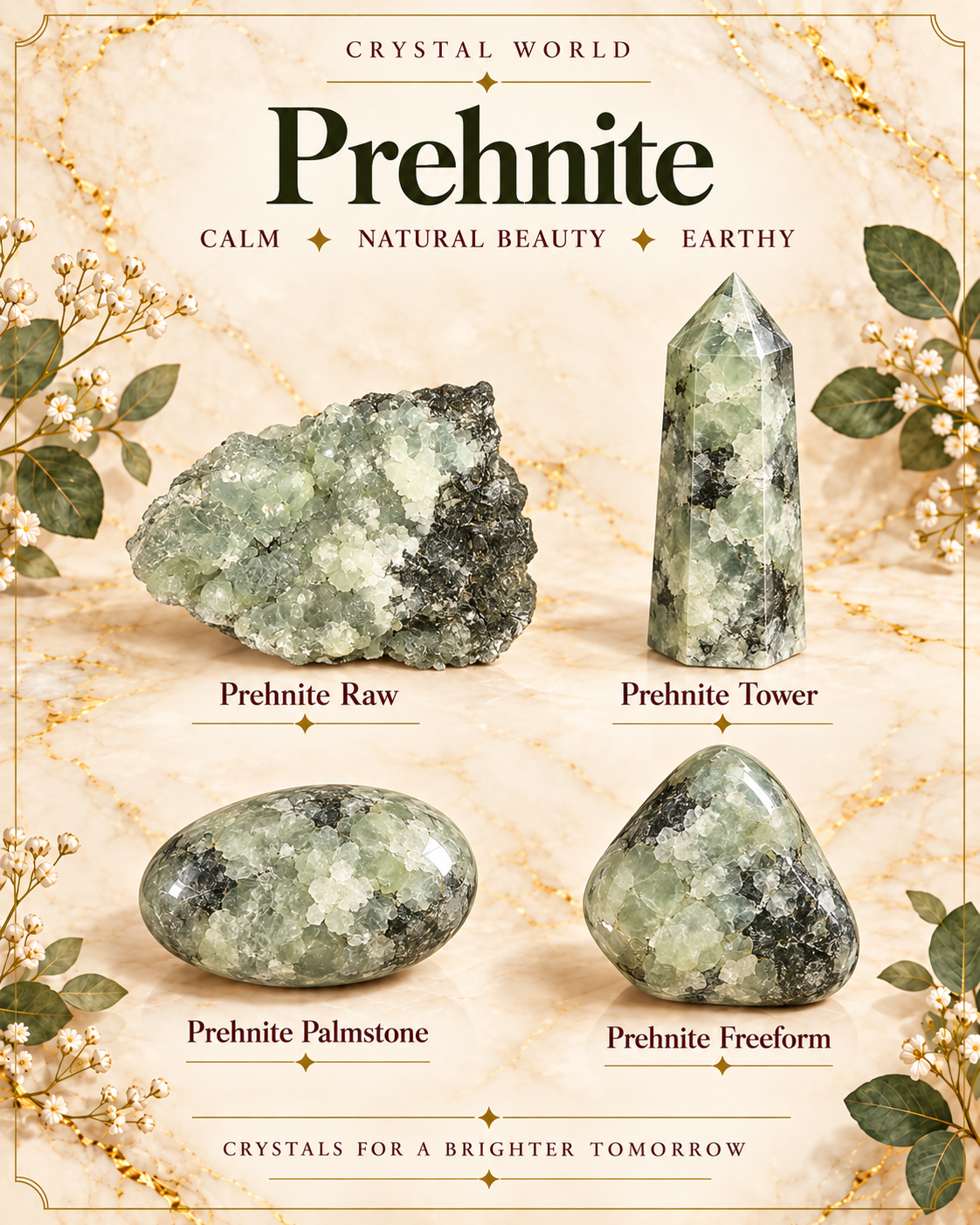
Prehnite

Pronounced: PREY-nite

Prehnite is a pale green to yellow-green calcium aluminium silicate mineral known for its soft translucent glow, rounded crystal aggregates and formation in low-temperature hydrothermal environments.

Formula: Ca₂Al₂Si₃O₁₀(OH)₂Mohs hardness: 6–6.5System: Orthorhombic
PrehniteCW

Meet the crystal

About Prehnite

Prehnite is a recognised mineral species best known for its soft green, yellow-green and occasionally colourless appearance. It commonly forms as rounded, botryoidal, globular or fan-like aggregates, although well-formed crystals can also occur. Prehnite is a calcium aluminium silicate hydroxide and typically develops in low-temperature hydrothermal environments, particularly in cavities and fractures within basaltic and other volcanic rocks. It is often found alongside minerals such as Calcite, Epidote, Zeolites, Quartz and Native Copper. Its translucent green appearance has made it popular as a gemstone and ornamental material, especially in cabochons, beads, spheres, carvings and polished freeforms. Prehnite was named in the late 18th century after Hendrik von Prehn, a Dutch military officer and mineral collector who brought specimens from South Africa to Europe. The mineral’s classic type locality lies within the Karoo dolerites of the Eastern Cape, South Africa. Although pale green is the colour most often associated with Prehnite, natural specimens may also be colourless, white, grey, yellow, pale brown or very rarely pale blue.
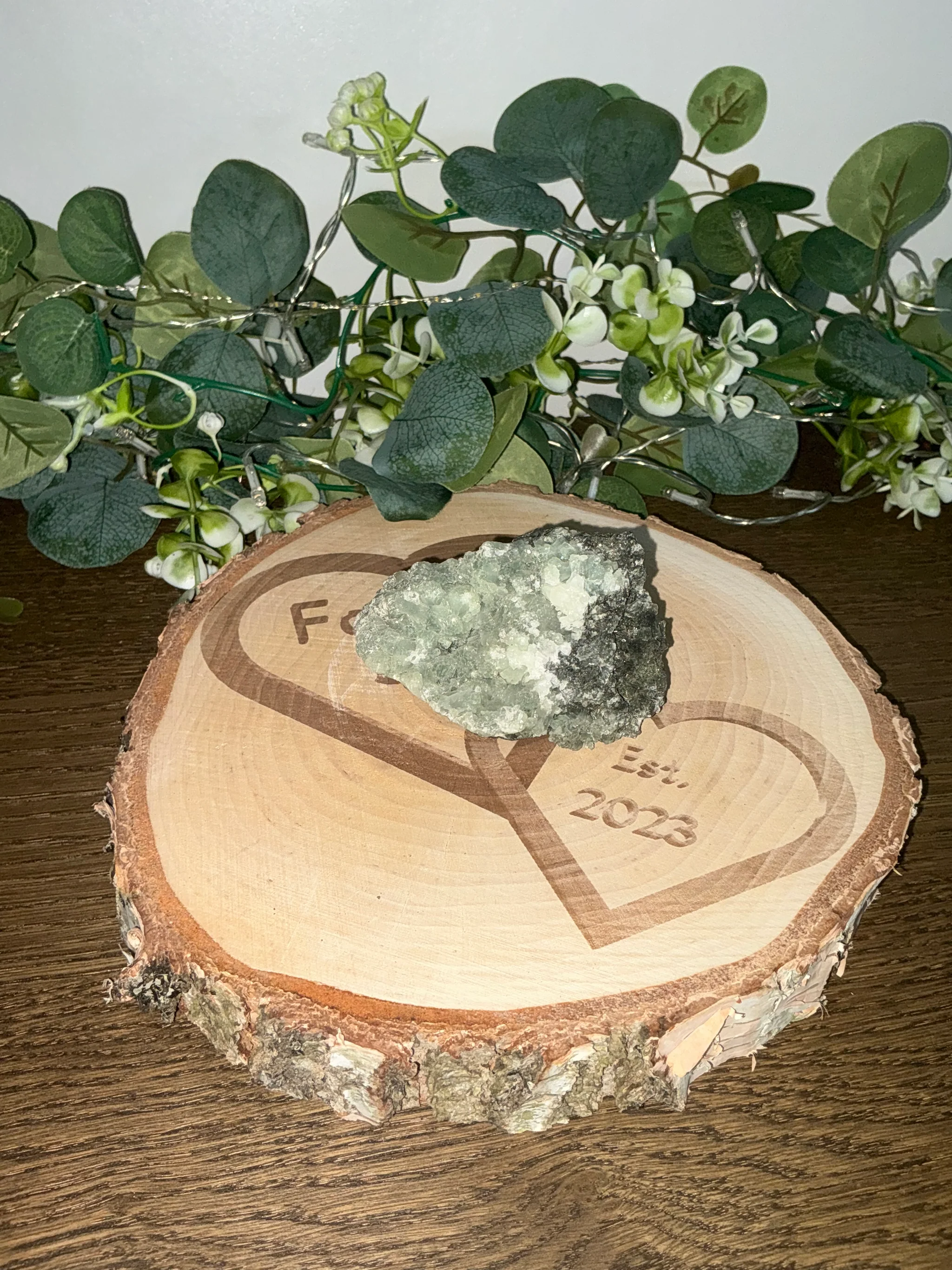
Explore this passport

Showing Science & Formation

Scientific passport

The mineral facts

Observable and measurable properties used to describe and identify this mineral.

Chemical formula
Ca₂Al₂Si₃O₁₀(OH)₂
Mineral class
Silicate — Prehnite Group
Crystal system
Orthorhombic
Mohs hardness
6–6.5
Lustre
Vitreous to pearly
Streak
White
Specific gravity
Approximately 2.8–2.95
Transparency
Transparent to translucent

Common colours

Pale green, yellow-green, colourless, white, grey and pale yellow

Cleavage and fracture

Distinct cleavage; uneven to slightly conchoidal fracture.

From the Earth

How it forms

The geological processes that create this crystal over time.

Formation

Its geological story

Prehnite commonly forms from low-temperature hydrothermal fluids moving through fractures, cavities and vesicles in volcanic rocks. It is especially common in altered basalt and related igneous rocks, where calcium- and aluminium-rich fluids react with the host rock. It may also form during low-grade metamorphism. Prehnite often grows with minerals such as Calcite, Epidote, Zeolites, Quartz and Native Copper.

A closer look

Scientific notes

Prehnite is a valid mineral species and member of the Prehnite Group. It commonly forms rounded, botryoidal, reniform, fan-like and stalactitic aggregates. Individual crystals are less common and may be blocky or tabular. Its soft green colour is often caused by small amounts of iron replacing aluminium within the mineral structure. Prehnite is an important indicator mineral in low-grade metamorphic rocks and is associated with the prehnite-pumpellyite metamorphic facies.

From the Forever SnS collection

Shop products featuring Prehnite

Each listing shows the actual product details, photographs and current availability.

Browse all crystals →

Passport complete

Who shall we meet next?

Return to Crystal World