You were here at the beginning

Some beginnings deserve
something extraordinary.

Thank you for joining Forever SnS before our launch. This exclusive collection is our gift to you — yours to keep, forever.

Rosefire Phoenix

Rosefire Phoenix

Rose, amethyst & a little magic

Midnight Phoenix

Midnight Phoenix

Sapphire light & midnight wings

2 companions · 2 banners · 2 backgrounds
2 borders · 2 Sparks · 2 chat colours

Made for our early birds. Never available to accounts created after launch.

A small family-run business creating beautiful, meaningful gifts

Jewellery • Crystals • STL Downloads

Forever SnS Crystal Passport

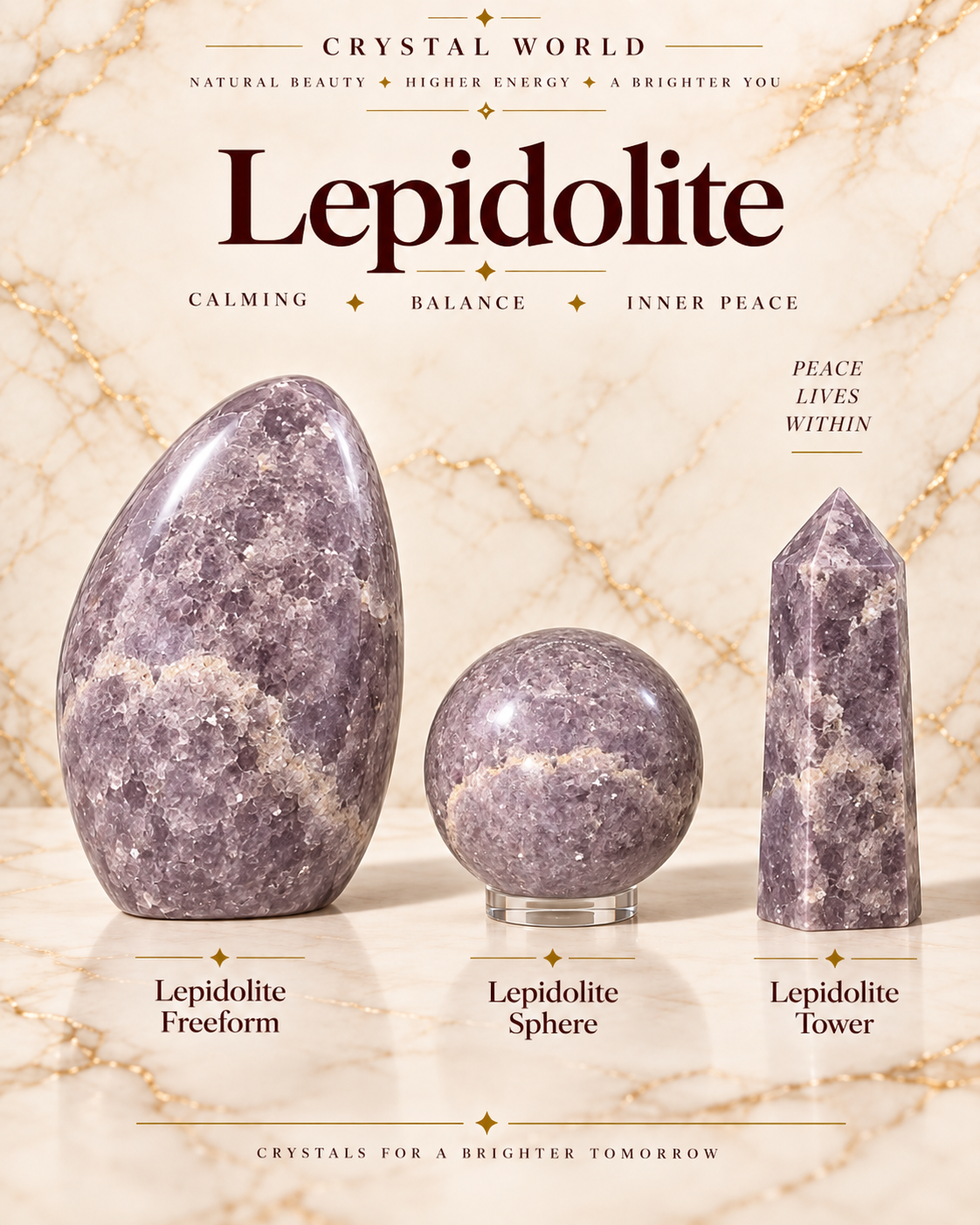
Lapidolite

Pronounced: leh-PID-oh-lite

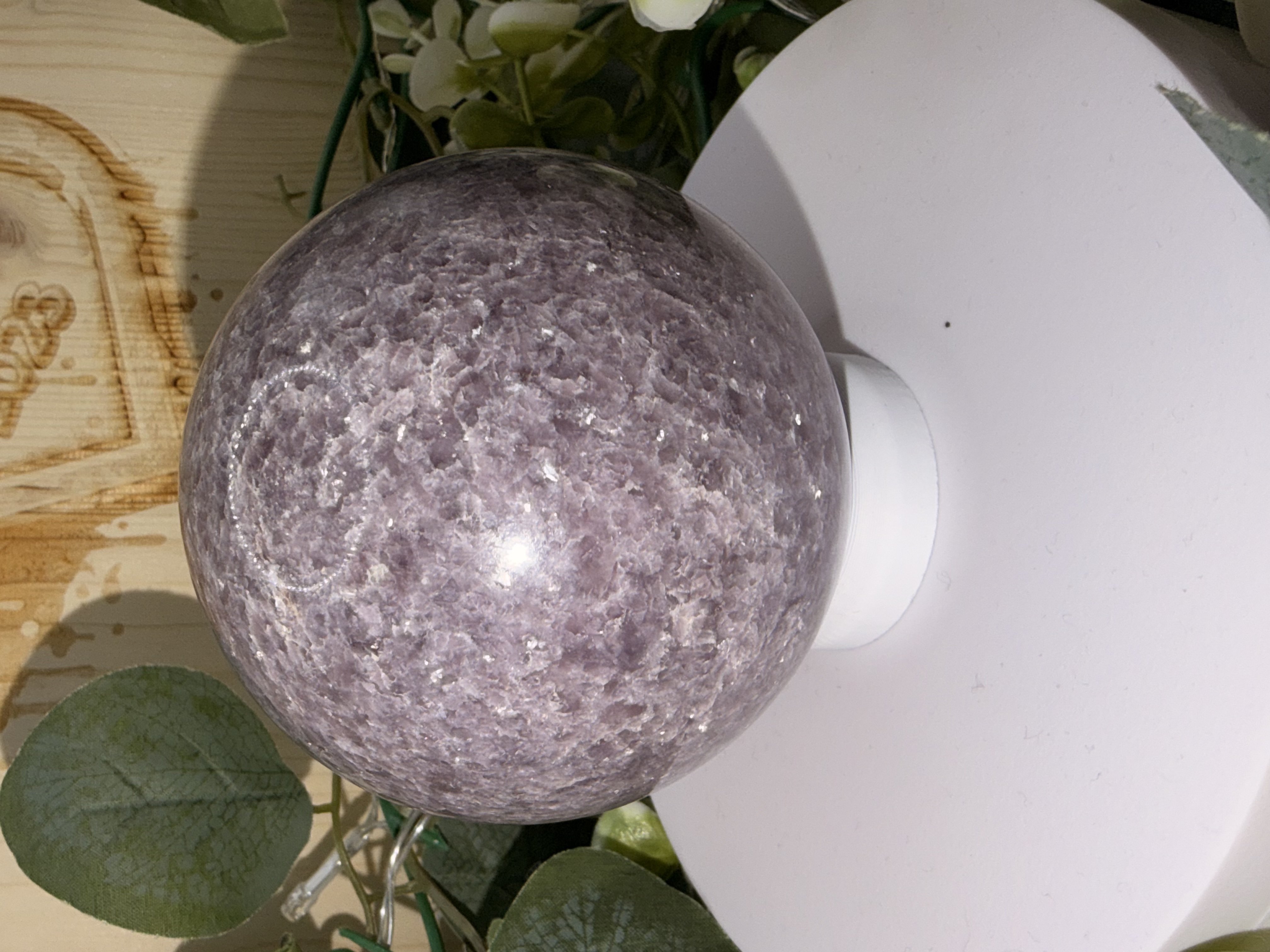
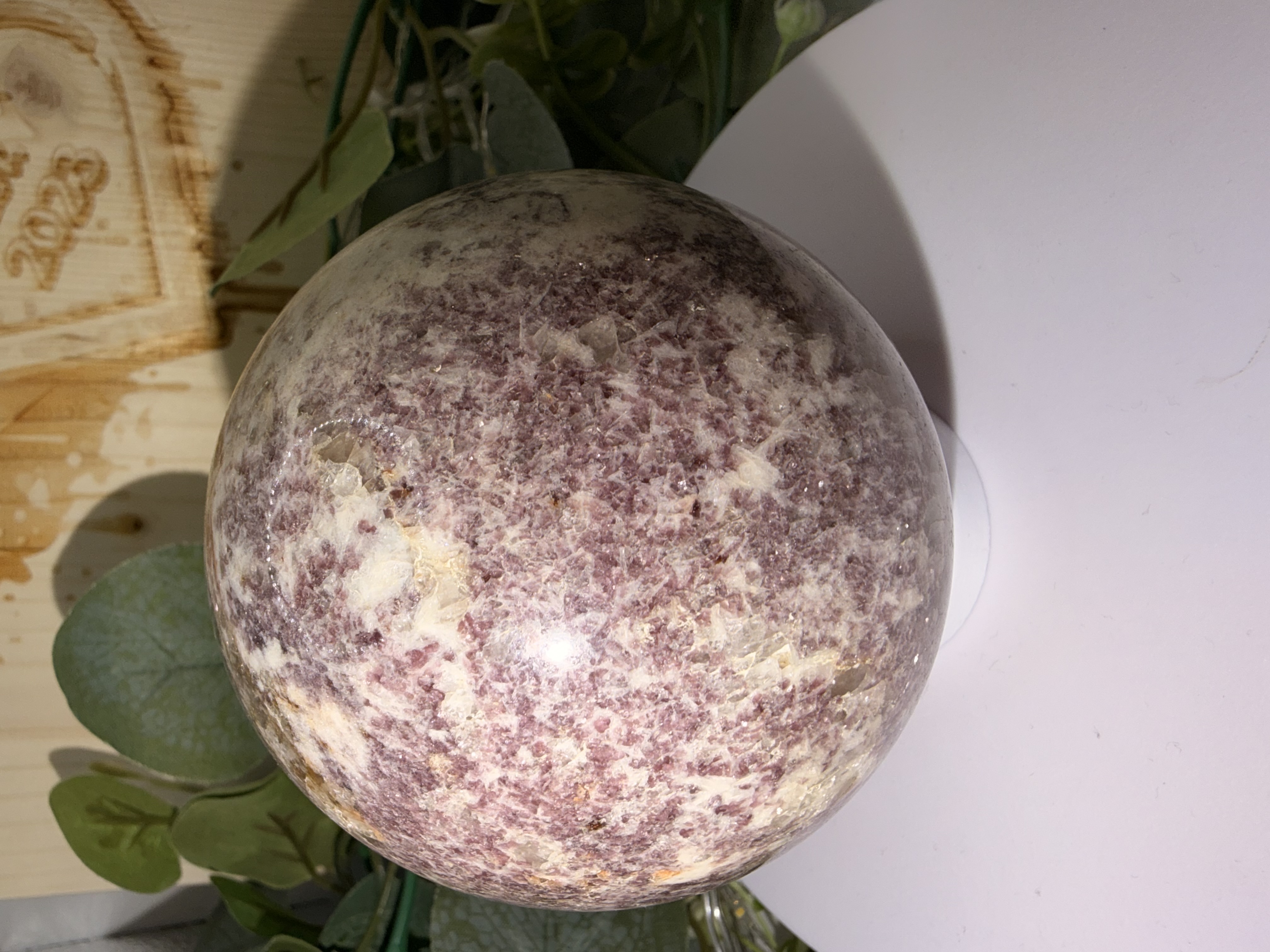
Lepidolite is a lithium-rich mica best known for its lilac, lavender, pink and violet colouring and its sparkling, flaky texture. It commonly forms in lithium-rich granite pegmatites alongside minerals such as quartz, feldspar, tourmaline and spodumene.

Formula: Variable lithium-mica composition; commonly represented approximately as K(Li,Al)₃(Si,Al)₄O₁₀(F,OH)₂Mohs hardness: 2.5–4System: Monoclinic, although lithium-mica members can show more than one structural polytype
LapidoliteCW

Meet the crystal

About Lapidolite

Lepidolite is the traditional name given to a group of lithium-rich mica minerals that commonly occur in shades of lilac, lavender, pink, violet, grey and occasionally colourless or yellowish tones. Like other micas, Lepidolite has a distinctive layered structure and perfect basal cleavage, allowing individual crystals to split into extremely thin, flexible sheets. Fine-grained masses can have a sparkling or sugary appearance, while larger crystals may form flat plates or mica “books”. Lepidolite most commonly occurs in highly evolved granitic pegmatites, where lithium and other unusual elements become concentrated during the final stages of magma crystallisation. It is often associated with albite, quartz, tourmaline, spodumene, beryl and other pegmatite minerals. Historically, Lepidolite has also been important as a source of lithium and has been used in specialised glass and ceramic manufacture. Modern mineralogy recognises that material historically called Lepidolite can span more than one lithium-mica composition rather than representing one perfectly fixed mineral formula.
Explore this passport

Showing Science & Formation

Scientific passport

The mineral facts

Observable and measurable properties used to describe and identify this mineral.

Chemical formula
Variable lithium-mica composition; commonly represented approximately as K(Li,Al)₃(Si,Al)₄O₁₀(F,OH)₂
Mineral class
Silicate — Phyllosilicate / Mica Group
Crystal system
Monoclinic, although lithium-mica members can show more than one structural polytype
Mohs hardness
2.5–4
Lustre
Vitreous to pearly
Streak
White
Specific gravity
Approximately 2.8–2.9
Transparency
Transparent to translucent in thin sheets; massive material commonly translucent to opaque

Common colours

Lilac, lavender, violet, pink, rose, grey, silvery white, colourless and occasionally yellowish

Cleavage and fracture

Perfect basal cleavage in one direction; uneven fracture when broken across the sheets

From the Earth

How it forms

The geological processes that create this crystal over time.

Formation

Its geological story

Lepidolite forms mainly in lithium-rich granitic pegmatites. As granitic magma cools, most common rock-forming minerals crystallise first. Water, lithium, fluorine, rubidium and other elements can become increasingly concentrated in the remaining melt and mineral-rich fluids. During these late stages of crystallisation, lithium-bearing mica can form alongside minerals such as quartz, feldspar, tourmaline, spodumene and beryl. Because pegmatites cool slowly and may contain abundant fluids, they can produce unusually large and chemically complex crystals. Lepidolite may therefore occur as fine-grained masses, scaly aggregates, flat plates or large layered mica “books”.

A closer look

Scientific notes

The name Lepidolite has historically been applied broadly to pink, lilac or violet lithium-rich mica. Modern mineralogical classification is more precise. Much material traditionally labelled Lepidolite lies within a compositional series involving lithium micas such as polylithionite and trilithionite, and the exact chemistry can vary significantly between specimens. This is why there is no single simple chemical formula that perfectly describes every specimen sold as Lepidolite. The purple, pink and lilac colours are commonly associated with manganese and other trace-element effects within the mica. Lepidolite may also contain significant amounts of rubidium and fluorine in addition to lithium. Historically it was an important lithium ore, and USGS still lists Lepidolite among lithium-bearing pegmatite minerals.

From the Forever SnS collection

Shop products featuring Lapidolite

Each listing shows the actual product details, photographs and current availability.

Browse all crystals →

Passport complete

Who shall we meet next?

Return to Crystal World