You were here at the beginning

Some beginnings deserve
something extraordinary.

Thank you for joining Forever SnS before our launch. This exclusive collection is our gift to you — yours to keep, forever.

Rosefire Phoenix

Rosefire Phoenix

Rose, amethyst & a little magic

Midnight Phoenix

Midnight Phoenix

Sapphire light & midnight wings

2 companions · 2 banners · 2 backgrounds
2 borders · 2 Sparks · 2 chat colours

Made for our early birds. Never available to accounts created after launch.

A small family-run business creating beautiful, meaningful gifts

Jewellery • Crystals • STL Downloads

Forever SnS Crystal Passport

Lapis Lazuli

Pronounced: LAP-iss LAZ-yoo-lee

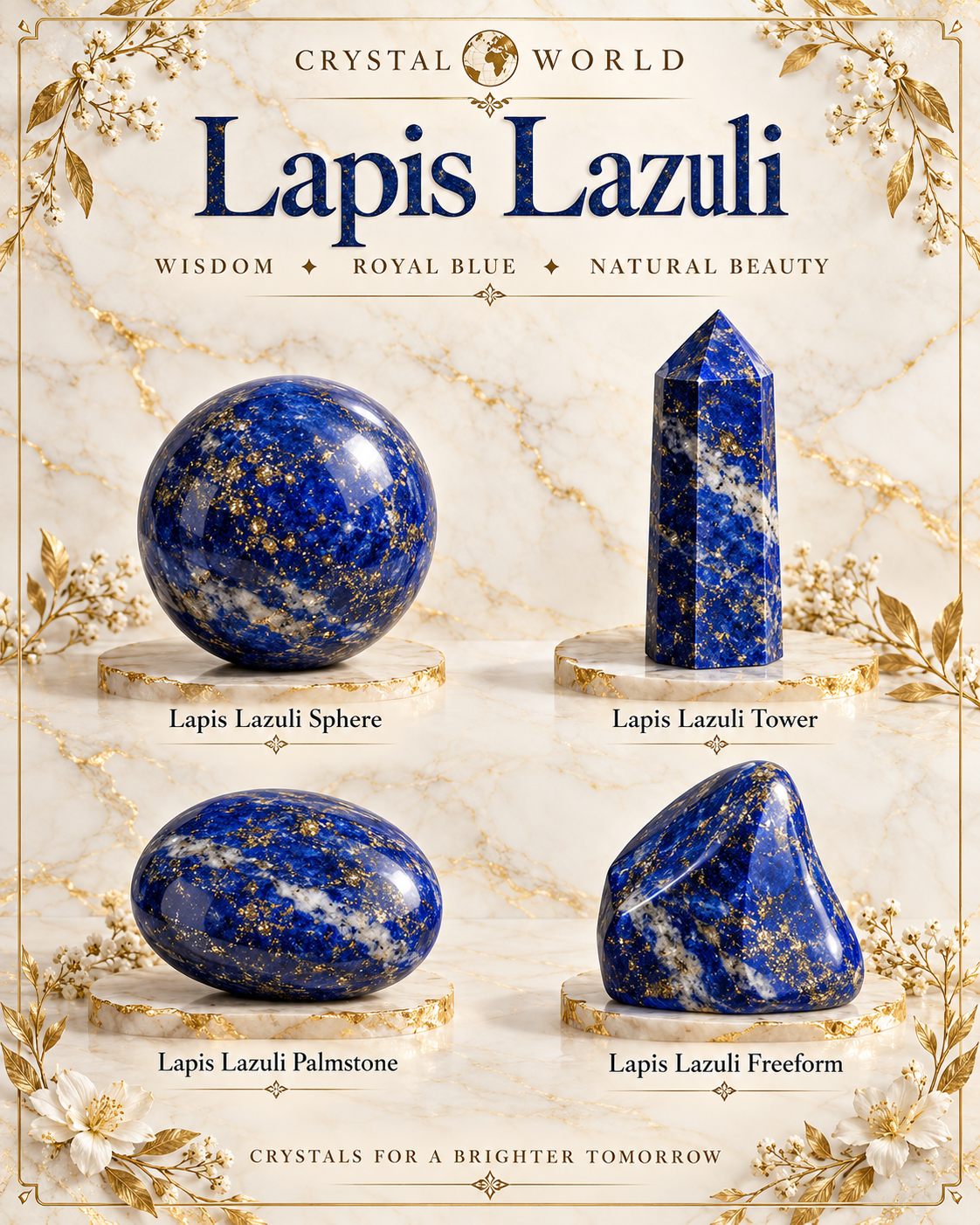
Lapis Lazuli is a deep blue ornamental rock composed mainly of lazurite, calcite and pyrite, prized for its intense colour, golden metallic flecks and exceptionally long history of use in jewellery, carving and pigment.

Formula: No single formula — multi-mineral rockMohs hardness: 5–6System: Not applicable — multi-mineral rock
Lapis LazuliCW

Meet the crystal

About Lapis Lazuli

Lapis Lazuli is a deep blue decorative rock that has been valued for thousands of years for its rich colour and striking appearance. Unlike many gemstones, Lapis Lazuli is not a single mineral species. It is a rock made from several minerals, most importantly lazurite, calcite and pyrite. Lazurite is responsible for the intense royal-blue to violet-blue colour. Calcite commonly appears as white patches, streaks or veins. Pyrite produces the familiar metallic golden flecks that can sparkle across the surface. Other minerals such as diopside, amphibole, feldspar and mica may also occur in smaller amounts. Fine-quality Lapis Lazuli is typically a rich, evenly saturated blue with little visible calcite. Small, well-distributed pyrite flecks may be attractive, while large amounts of white calcite or excessive pyrite can reduce its commercial value. Lapis Lazuli has been used by ancient civilisations including those of Mesopotamia, Egypt, Greece, Rome and China. Ground Lapis Lazuli was also historically used to produce ultramarine, one of the most famous and expensive blue pigments used in art. The best-known historic source is the Sar-e-Sang district of Badakhshan in Afghanistan, where Lapis Lazuli has been mined for thousands of years.

Explore this passport

Showing Science & Formation

Scientific passport

The mineral facts

Observable and measurable properties used to describe and identify this mineral.

Chemical formula
No single formula — multi-mineral rock
Mineral class
Rock — mainly lazurite, calcite and pyrite
Crystal system
Not applicable — multi-mineral rock
Mohs hardness
5–6
Lustre
Waxy to vitreous
Streak
Variable — commonly pale blue to white
Specific gravity
Approximately 2.5–3.0
Transparency
Semi-translucent to opaque

Common colours

Royal blue, violet-blue, deep blue, greenish-blue and pale blue, often with white calcite and golden pyrite

Cleavage and fracture

No single cleavage because Lapis Lazuli is a rock; fracture varies with mineral composition and is commonly uneven.

From the Earth

How it forms

The geological processes that create this crystal over time.

Formation

Its geological story

Lapis Lazuli is a rock rather than a single mineral species. Its main blue component is lazurite, a member of the sodalite group. Calcite commonly produces white areas and pyrite produces metallic golden flecks. The intensity of blue depends largely on the amount and quality of lazurite present. Lazurite should not be confused with lazulite, which is a completely different phosphate mineral. Because Lapis Lazuli is made from several minerals, its hardness, specific gravity and appearance can vary between specimens.

A closer look

Scientific notes

Lapis Lazuli is a rock rather than a single mineral species. Its main blue component is lazurite, a member of the sodalite group. Calcite commonly produces white areas and pyrite produces metallic golden flecks. The intensity of blue depends largely on the amount and quality of lazurite present. Lazurite should not be confused with lazulite, which is a completely different phosphate mineral. Because Lapis Lazuli is made from several minerals, its hardness, specific gravity and appearance can vary between specimens.

Passport complete

Who shall we meet next?

Return to Crystal World