You were here at the beginning

Some beginnings deserve
something extraordinary.

Thank you for joining Forever SnS before our launch. This exclusive collection is our gift to you — yours to keep, forever.

Rosefire Phoenix

Rosefire Phoenix

Rose, amethyst & a little magic

Midnight Phoenix

Midnight Phoenix

Sapphire light & midnight wings

2 companions · 2 banners · 2 backgrounds
2 borders · 2 Sparks · 2 chat colours

Made for our early birds. Never available to accounts created after launch.

A small family-run business creating beautiful, meaningful gifts

Jewellery • Crystals • STL Downloads

Forever SnS Crystal Passport

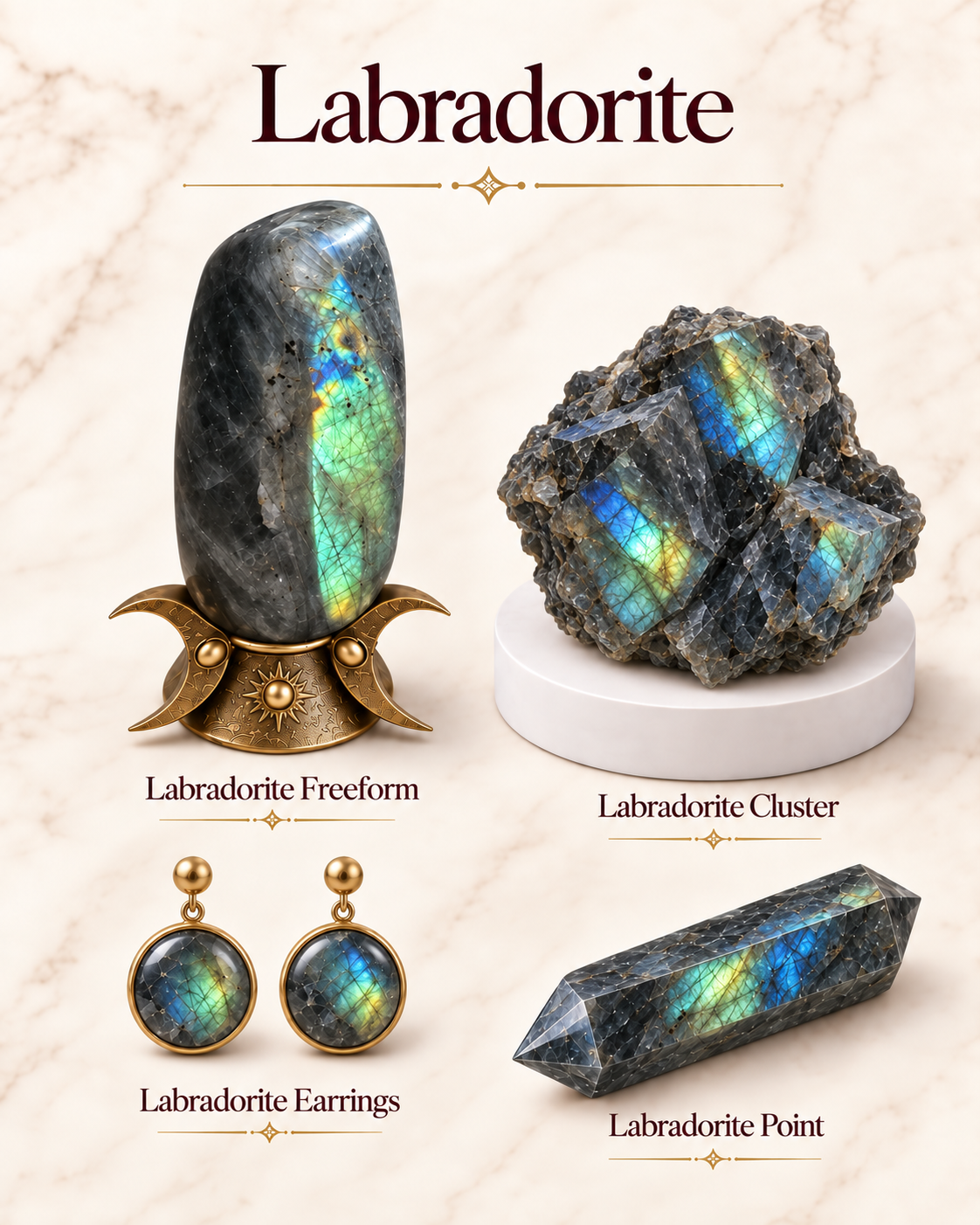
Labradorite

Pronounced: LAB-ruh-dor-ite

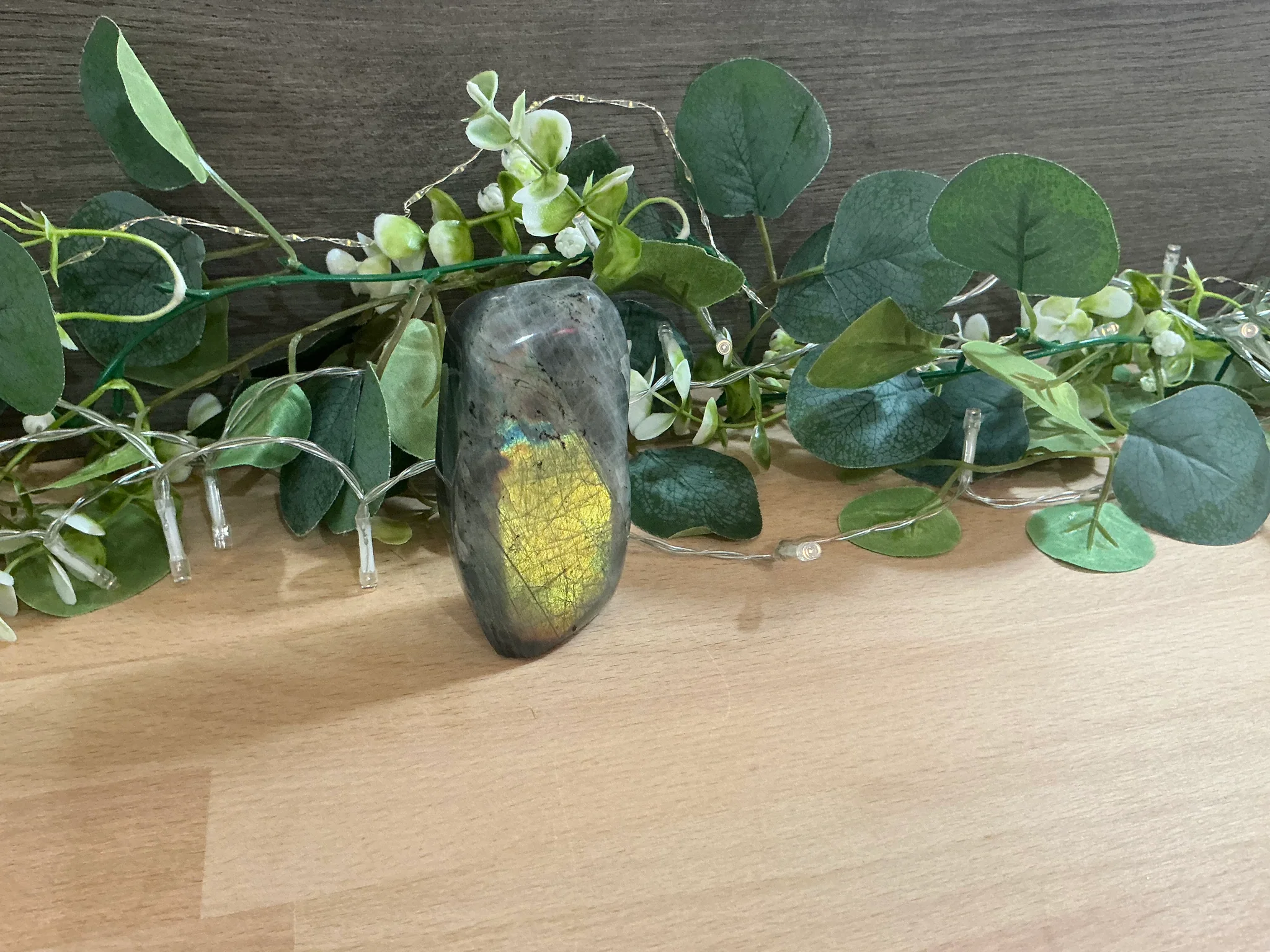
Labradorite is a plagioclase feldspar famous for its spectacular flashes of blue, green, gold, orange and purple known as labradorescence. Often appearing grey or dark at first glance, the stone can burst into vivid colour as it is moved through the light.

Formula: (Ca,Na)(Al,Si)₄O₈Mohs hardness: 6–6.5System: Triclinic
LabradoriteCW

Meet the crystal

About Labradorite

Labradorite is a member of the plagioclase feldspar family and is best known for the extraordinary optical effect called labradorescence. A specimen may initially appear grey, charcoal, brownish or almost black, yet when viewed from the correct angle it can reveal brilliant flashes of blue, green, gold, yellow, orange and sometimes violet. The effect is not a coating or colour sitting on the surface of the stone. It originates from microscopic structures within the feldspar that interact with light, producing the shifting display for which Labradorite is famous. The mineral takes its name from Labrador in Canada, where striking material became known to European mineralogists during the eighteenth century. Labradorite is now found in several parts of the world, with notable material coming from Canada, Madagascar, Finland and other geological localities. Its combination of comparatively understated body colour and dramatic internal flashes makes Labradorite particularly popular with mineral collectors, lapidaries and jewellery makers.
Explore this passport

Showing Science & Formation

Scientific passport

The mineral facts

Observable and measurable properties used to describe and identify this mineral.

Chemical formula
(Ca,Na)(Al,Si)₄O₈
Mineral class
Silicate — Feldspar
Crystal system
Triclinic
Mohs hardness
6–6.5
Lustre
Vitreous to pearly
Streak
White
Specific gravity
Approximately 2.68–2.72
Transparency
Transparent to translucent; some specimens may appear nearly opaque

Common colours

Grey, dark grey, colourless, white, brownish, greenish and bluish, often displaying blue, green, gold, yellow, orange, red or violet labradorescence

Cleavage and fracture

Perfect cleavage in two directions meeting at approximately right angles; fracture is uneven to conchoidal

From the Earth

How it forms

The geological processes that create this crystal over time.

Formation

Its geological story

Labradorite forms primarily as crystals within igneous rocks as molten magma cools and crystallises. It is particularly associated with rocks such as anorthosite, gabbro, basalt and norite. During cooling, subtle differences in the feldspar structure can develop into extremely fine internal layers. In suitable Labradorite these microscopic structures interact with incoming light and produce the optical phenomenon known as labradorescence. Labradorite may also occur in some metamorphic rocks where feldspar-bearing material has been altered by heat and pressure.

A closer look

Scientific notes

Labradorite belongs to the plagioclase feldspar solid-solution series between calcium-rich anorthite and sodium-rich albite. Mineralogically, Labradorite traditionally refers to compositions containing roughly 50–70% of the anorthite component. Its famous labradorescence is an optical interference phenomenon rather than pigmentation. Light enters the mineral and interacts with extremely fine internal structures or lamellae created during cooling and separation within the feldspar. Different wavelengths of light interfere with one another, producing the strong metallic-looking colours visible at particular viewing angles. Because the effect depends upon crystal orientation, a Labradorite specimen can look relatively plain from one direction and exceptionally colourful after being rotated only slightly.

From the Forever SnS collection

Shop products featuring Labradorite

Each listing shows the actual product details, photographs and current availability.

Browse all crystals →

Passport complete

Who shall we meet next?

Return to Crystal World