You were here at the beginning

Some beginnings deserve
something extraordinary.

Thank you for joining Forever SnS before our launch. This exclusive collection is our gift to you — yours to keep, forever.

Rosefire Phoenix

Rosefire Phoenix

Rose, amethyst & a little magic

Midnight Phoenix

Midnight Phoenix

Sapphire light & midnight wings

2 companions · 2 banners · 2 backgrounds
2 borders · 2 Sparks · 2 chat colours

Made for our early birds. Never available to accounts created after launch.

A small family-run business creating beautiful, meaningful gifts

Jewellery • Crystals • STL Downloads

Forever SnS Crystal Passport

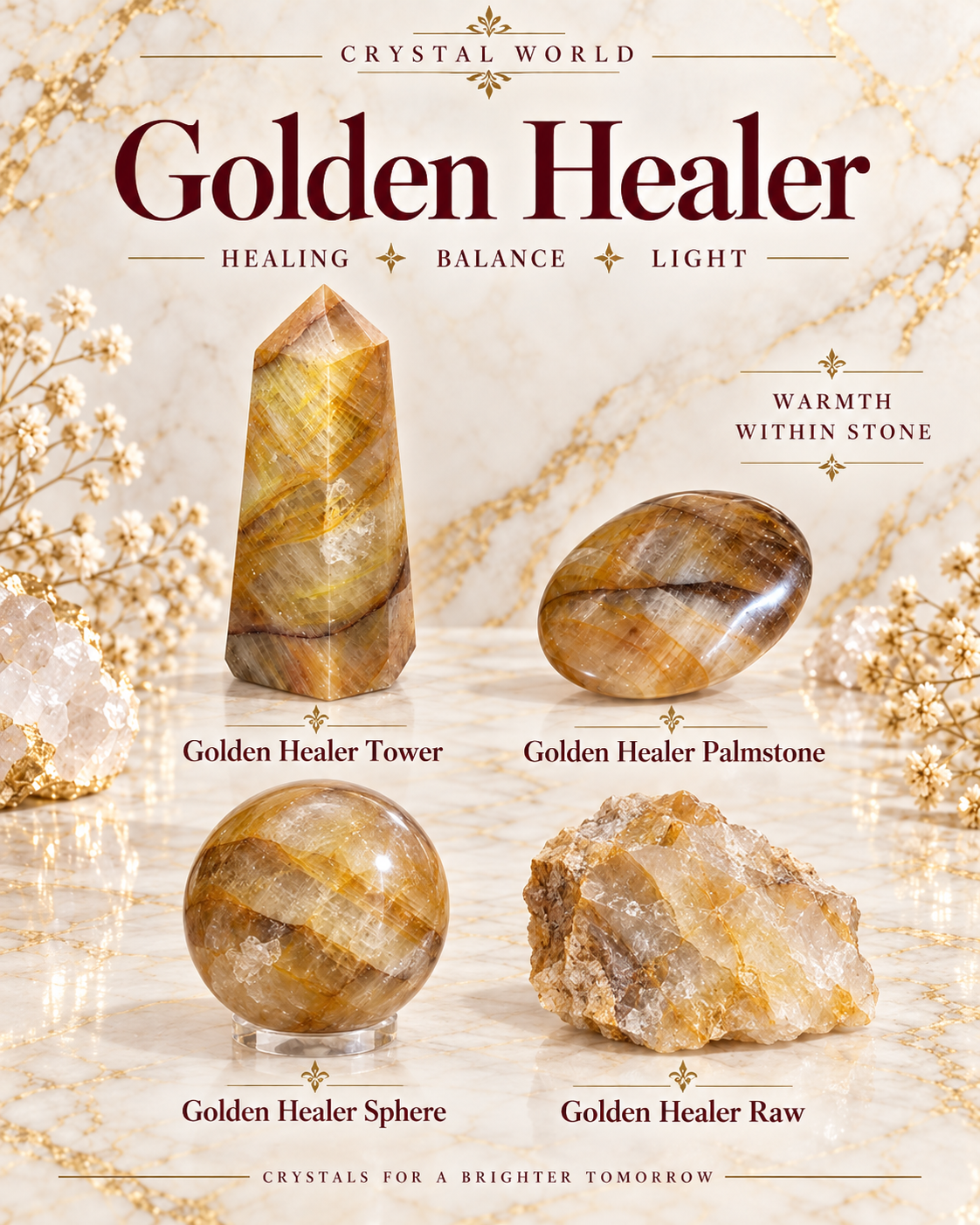
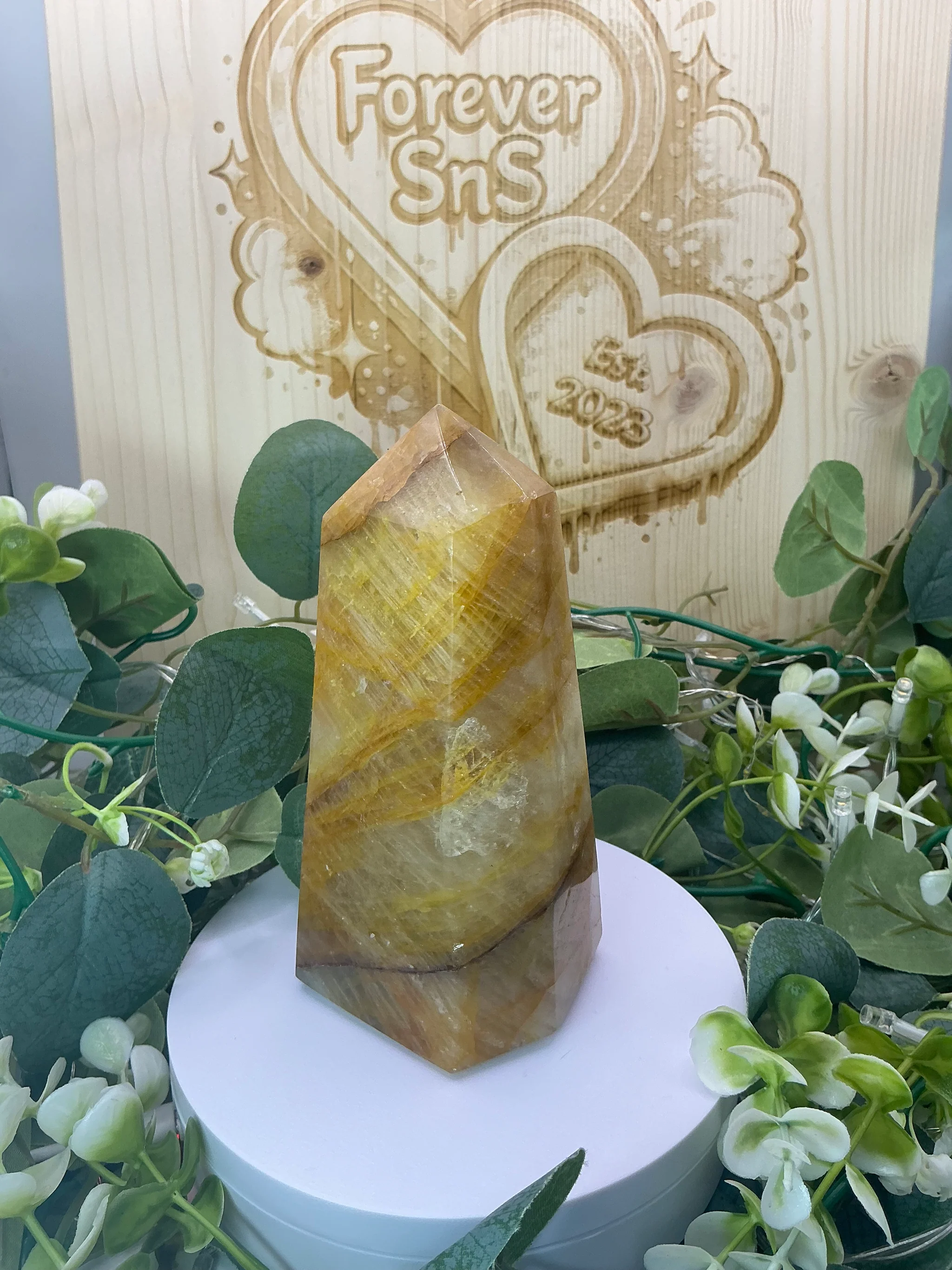
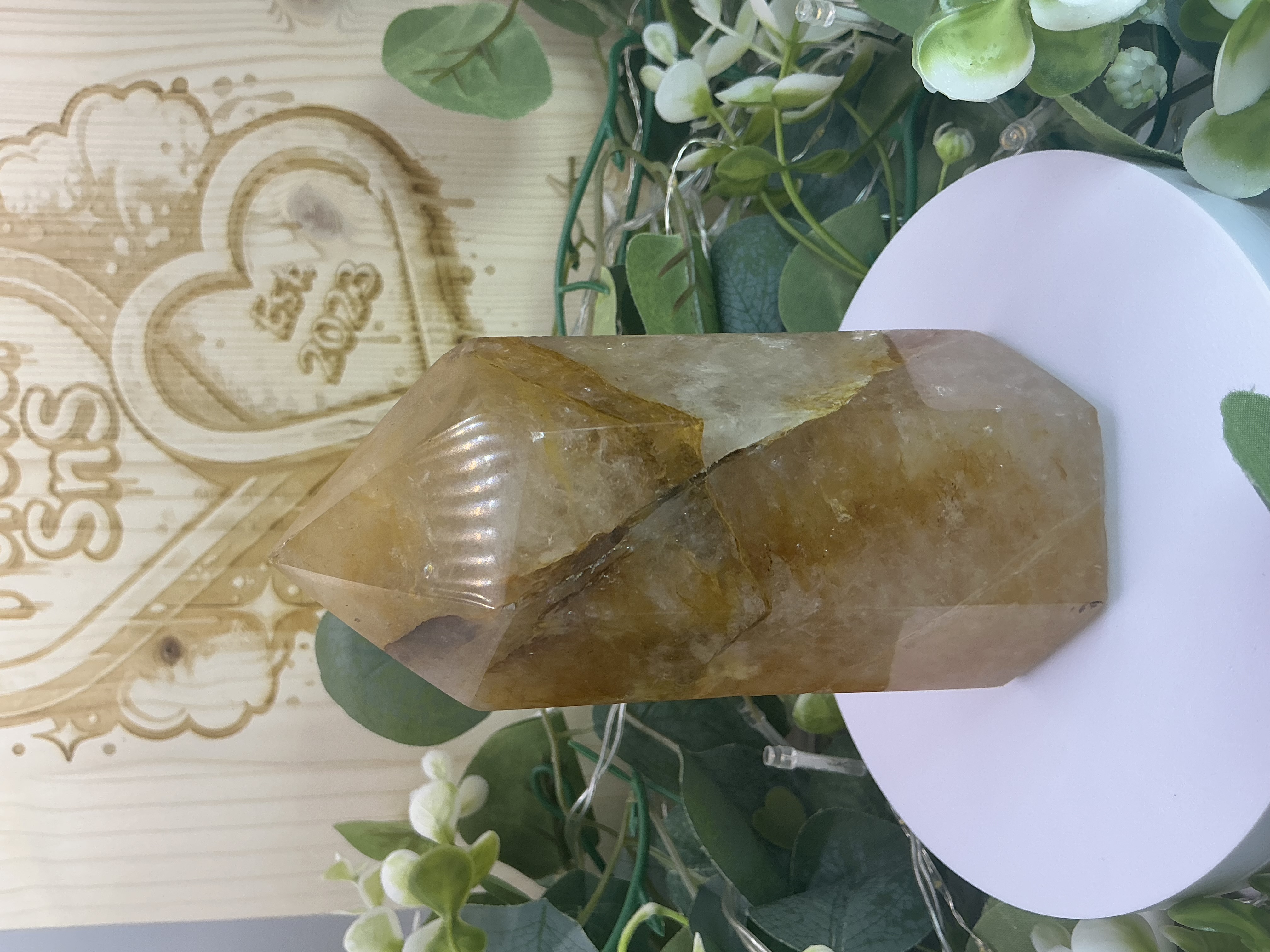
Golden Healer Quartz

Pronounced: GOHL-den HEE-ler KWORTS

Golden Healer Quartz is a commercial name for quartz naturally coloured yellow, gold, honey or brown by iron-rich staining, coatings or inclusions. Its warm appearance is produced by iron oxides and hydroxides rather than by gold or a separate mineral species.

Formula: Quartz: SiO₂ Common iron colouring agents may include Goethite: FeO(OH), Hematite: Fe₂O₃, and mixed poorly crystalline iron oxides historically described as “limonite”Mohs hardness: 7System: Trigonal
Golden Healer QuartzCW

Meet the crystal

About Golden Healer Quartz

Golden Healer Quartz is the modern trade name given to quartz showing natural yellow, golden, honey-brown or rusty iron staining. The underlying mineral is ordinary Quartz, SiO₂. Its distinctive colour comes from iron-rich material deposited on the crystal surface, along healed fractures, through growth zones or within the quartz itself. Mindat specifically records Golden Healer Quartz as a trade name originally applied to iron-stained quartz from Arkansas, where naturally occurring iron staining is extremely common on quartz crystals. Much Arkansas quartz is chemically cleaned to remove these iron coatings, while material marketed as Golden Healer is intentionally left in its naturally stained state. Mindat The exact iron mineral responsible for the colour can vary. Yellow and brown material is commonly associated with goethite or poorly crystallised mixtures historically called limonite, while redder varieties of ferruginous quartz are more often associated with hematite. Mindat Because the trade name has spread beyond Arkansas, material sold today as Golden Healer Quartz may come from several countries and may contain surface staining, internal inclusions or a combination of both.
Explore this passport

Showing Science & Formation

Scientific passport

The mineral facts

Observable and measurable properties used to describe and identify this mineral.

Chemical formula
Quartz: SiO₂ Common iron colouring agents may include Goethite: FeO(OH), Hematite: Fe₂O₃, and mixed poorly crystalline iron oxides historically described as “limonite”
Mineral class
Oxide — Quartz with iron-oxide or iron-oxyhydroxide staining/inclusions
Crystal system
Trigonal
Mohs hardness
7
Lustre
Vitreous on clean quartz surfaces; iron coatings may appear earthy, dull or silky
Streak
Quartz: white Iron-rich coatings may produce yellow-brown or reddish-brown powder depending on composition
Specific gravity
Approximately 2.65 for Quartz; heavily iron-rich specimens may vary slightly
Transparency
Transparent to translucent, sometimes opaque where staining or inclusions are dense

Common colours

Pale yellow, honey, golden yellow, ochre, orange-yellow, tan, brown and rusty gold

Cleavage and fracture

Poor to indistinct cleavage; typically conchoidal fracture

From the Earth

How it forms

The geological processes that create this crystal over time.

Formation

Its geological story

Golden Healer Quartz forms when quartz comes into contact with iron-bearing fluids during or after crystal growth. Silica-rich fluids first deposit Quartz in cavities, veins or fractures. If iron is present in the surrounding fluids, it may later oxidise and precipitate as goethite, hematite or other iron-rich material. These iron compounds can coat the outer crystal surfaces, penetrate healed fractures, mark growth zones or become trapped inside the quartz. The golden colour may therefore represent several different geological relationships between Quartz and iron rather than one single inclusion type. In Arkansas, clear quartz crystals frequently develop natural yellow-brown iron staining. Many specimens are commercially acid-cleaned to remove this coating, while Golden Healer specimens are deliberately retained with the staining intact.

A closer look

Scientific notes

Golden Healer Quartz is a trade designation, not a formally recognised mineral species. It overlaps scientifically with the broader term Ferruginous Quartz, which Mindat defines as Quartz coloured red, brown or yellow by iron-rich material such as hematite or limonite-type inclusions. Mindat The word limonite should itself be used cautiously. It is an old descriptive term for poorly crystallised yellow-brown iron oxide material rather than one single modern mineral species. Goethite is often a major constituent. Mindat Colour alone cannot reliably determine the exact iron mineral. Yellow-brown material is commonly consistent with goethite-rich material, while strong red colours are more often associated with hematite, but laboratory testing is required for certainty. The warm golden appearance should not be confused with Citrine. Citrine's colour arises within the Quartz itself through colour-centre chemistry involving iron, whereas Golden Healer Quartz is generally visibly stained or included by iron-rich material.

From the Forever SnS collection

Shop products featuring Golden Healer Quartz

Each listing shows the actual product details, photographs and current availability.

Browse all crystals →

Passport complete

Who shall we meet next?

Return to Crystal World